


How Long Does an Interior Design Project Really Take?
Updated: Aug 15

Planning 
Before 
After
The homes we see in magazines, save on Pinterest, and stop scrolling for on Instagram tend to look effortless.
Of course, they aren’t.
Behind the finished spaces is a long string of conversations, decisions, sourcing, planning, coordination, revisions, waiting, and occasionally changing course altogether.
Which brings us to one of the questions homeowners ask us most:
How long does an interior design project actually take?
And the slightly frustrating answer is...
It depends.
On the house. The scope. The team.
The products. The materials. The construction. And sometimes, what we discover once we start looking a little more closely at all of the above.
But there is a rhythm to a thoughtfully planned project, though.

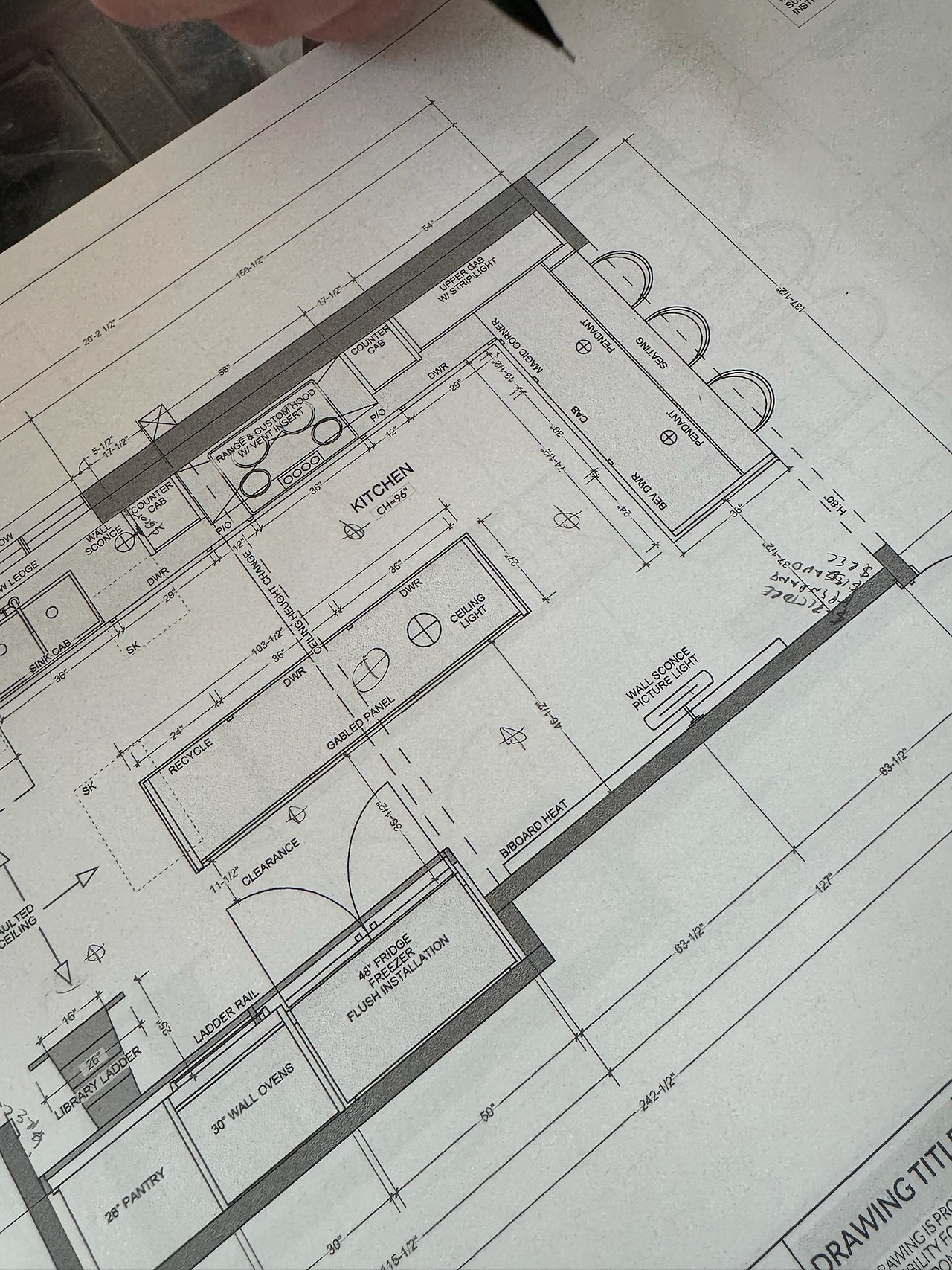

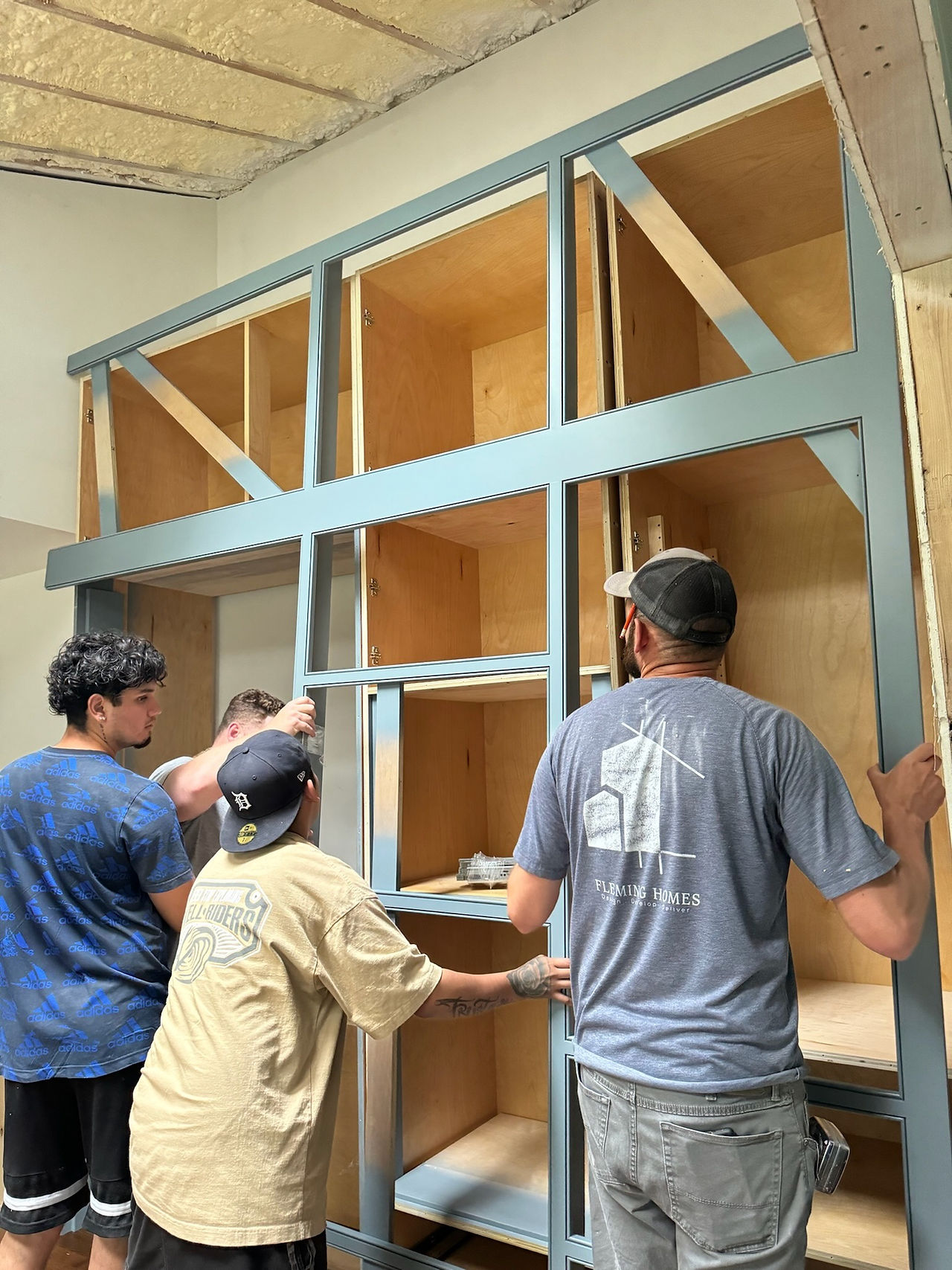

And understanding what happens before the beautiful finished spaces appear can make the timeline feel a whole lot less mysterious.

The First Timeline Mistake? Waiting Too Long to Start
This is probably the biggest piece of timeline advice we can give.
If a design project is somewhere on your radar, start the conversation earlier than you think you need to.
That applies whether you're furnishing several rooms, redesigning an entire floor, rethinking the architecture, or embarking on a larger construction project.
Why?
Because good design doesn't begin with picking things.
It begins with understanding the whole picture.
How does your family use the home?
What works beautifully already?
What drives you crazy every single day?
Which rooms need to function differently?
What do you already own that deserves a place in the new design?
Where should the investment go?
And if there are future plans for other areas of the home, how should today's decisions support those too?
For projects involving construction, starting early may even mean bringing the design team in before the contractor or builder has been selected.
For furnishing-focused projects, it means giving ourselves enough time to source thoughtfully, plan the rooms as a whole, and account for the reality that the right pieces don't always arrive next week.
Different project.
Same principle.
The earlier we understand the bigger picture, the more intentionally everything that follows can happen.

Before We Pick a Single Pretty Fabric...
There is quite a bit that happens before we get to the part of design most people imagine.
Yes, eventually there will be fabrics.
And marble.
And lighting.
And that one chair we become slightly too invested in finding.
All the things we could happily talk about for hours.
But our process doesn't begin there.
But first, we need a plan.
And to get there, we spend the early part of a project listening.
We learn how our clients want their homes to feel and how they need their spaces to support the way they actually live.
We study the house, the good and the bad.
We study our clients and their habits.
We consider what's worth keeping and what needs to change.
And when the project calls for it, we begin bringing the appropriate trades, vendors, and specialists into the conversation.
From there, we start putting the pieces together.
At August Oliver Interiors, one of our earliest milestones for any project is the Inspiration Review.
This is where we begin translating everything we've learned about our clients into a visual direction for the home.
What should these rooms feel like?
How should the existing architecture inform the design?
What colors, materials, references, and details begin telling the right story?
This gives us a creative direction before hundreds of individual decisions start competing for attention.
From there, we move into our Budget + Layout Review.

This is where the vision meets reality in the best possible way.
We look at the spaces more closely, understand what is feasible, begin putting numbers around the project, and decide where it makes sense to invest to accomplish the bigger goals.
All before we fully design the finished room.
Not quite as exciting as wallpaper samples?
Maybe not. But incredibly important.
Because we would much rather discover now that an idea needs to change than craft an entire beautiful design around something that ultimately isn't feasible or makes sense for our clients and their lifestyle goals.


Sometimes We're the Bearer of Bad News
We wish every timeline conversation ended with:
"Absolutely. We can have that done by then."
It doesn't.
Part of our role is helping clients understand what their project realistically requires.
Sometimes the timeline they originally imagined needs to shift for a multitude of reasons.
Our pipeline to start is further out.
Or the contractor we want isn't available quite yet.
We may need more time to explore an option.
Sometimes pricing comes back and changes the conversation.
Or one decision actually ends up affecting three others.
And sometimes an existing home decides to reveal something nobody could have predicted until work begins.
Even the best-laid plans need a little breathing room.
That doesn't mean there isn't a plan.
Quite the opposite.
A thoughtful process gives us something to adjust from when the unexpected happens.
The goal isn't to predict every single thing that could possibly occur during a renovation. That's not realistic.

The goal is to make as many good decisions as possible early, assemble the right team, and create enough structure that one change doesn't send the entire project into chaos.
What Does a Thoughtful Interior Design Timeline Look Like?
Every project is different, but most full-service projects move through a similar overall rhythm:

Think of that as a roadmap rather than a stopwatch.
Some phases overlap.
Some require more time depending on the scope.
A project primarily focused on furnishings will move differently than another involving custom millwork, architectural changes, or construction.
A hand-fabricated piece will move differently than something available off the showroom floor.
And a project involving several trade partners naturally requires more coordination than one that doesn't.
The process stays consistent.
The calendar flexes around what the individual project actually needs.
The value of having a process isn't that the dates can never move. It's knowing where we're going even when they do.
What You Don't See...
What happens during "quiet" weeks?
This is one of the least visible parts of interior design.
There may be weeks when a client isn't attending a presentation, receiving a delivery, or watching something physically change in the home.
Behind the scenes?
Usually plenty is happening.
We may be:
reviewing pricing
coordinating with a vendor
sourcing alternatives
checking lead times
reviewing drawings
working through a custom detail
revising a layout
confirming measurements
gathering samples
comparing finishes
coordinating with trades
tracking orders
solving one tiny detail that happens to affect six other decisions
Sometimes the least visible weeks are doing some of the heaviest lifting.
Those weeks aren't happening before the project.
They are the project.
They are what allow us to make decisions thoughtfully rather than reactively.
Because the last thing we want is to be designing the project on the fly.
And Then Comes Procurement... and Patience.
Once a design has been approved, we're onto another stage that can test everyone's patience a little.
Actually getting everything here.
Some pieces arrive quickly.
Some don't.
We want to use the pieces, materials, and vendors that make sense for that particular family, their lifestyle, their investment, and the vision we're creating together.
And often these things take time.
But we don't want to fill a room with something simply because it can arrive tomorrow.
Our job is to find what makes sense for that particular home, family, investment, and design.
Sometimes waiting for the right piece is part of creating the right room.
And whenever possible, we also prefer to think about installation as an experience rather than a string of random deliveries.


There is something pretty wonderful about leaving your home for a few days and coming back to see everything finally working together.
The rug.
The lamps.
The artwork.
The drapery.
The pillows you may not have understood when you first saw them on their own.
The whole story. Not bits and pieces of it.

So... How Early Should You Call an Interior Designer?
Earlier than you think.
Not because every design project needs to take forever.
But because more time at the beginning gives everyone more options.
More time to understand the home.
More time to find the right pieces.
More time to bring in the right people.
More time to make thoughtful decisions before deadlines begin making them for us.

And if there's an important date attached to your project, whether that's a move, a wedding, a holiday, a new baby, or simply a moment when you'd really love to have the house finished, share that from the very beginning.
Sometimes it will be achievable.
Sometimes we may have to be the bearer of bad news.
Either way, knowing early allows us to plan around it as thoughtfully as possible.
The Goal Isn't to Start Fast. It's to Start Well.
Because we aren't designing homes that only need to look beautiful for a photograph.
We're designing homes people are going to live in.
Kids will sit on the sofa.
Coffee will be spilled.
Birthday cakes will be made on the counter.
Friends will stay longer than expected.
Materials will age, and families will change.


So the decisions we make aren't only about how the home looks on installation day.
They're about how it will work for the people living there for years to come.
Whether we're rethinking the architecture or simply adding those final layers that make a house feel truly finished, we want to understand the whole picture before we start making decisions.
Because a thoughtful design timeline isn't about making the process unnecessarily long.
It's about giving the right decisions enough time to be made well.


Thinking about making your home work, feel, and live a little better?
Start the conversation before you think you need to. We'd love to hear what you're dreaming up.


Comments